
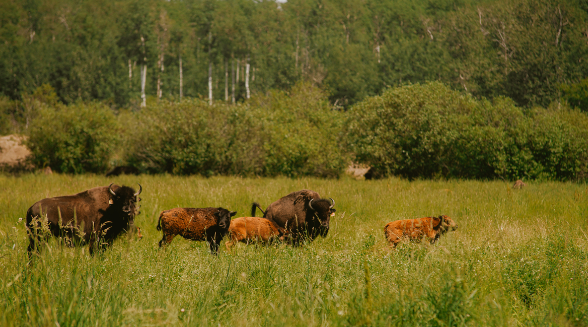
Understanding how buffalo, or bison, select their grazing areas is essential for appreciating these majestic animals and the ecosystems they inhabit. Grazing patterns affect plant health, soil quality, and overall prairie biodiversity. Let’s dive into the fascinating world of buffalo behavior and their decision-making processes when choosing grazing spots.
Grazing Preferences Based on Nutritional Needs
Buffalo are selective grazers, which means they don’t just munch on anything they encounter. They have strong preferences for certain types of grasses and plants that offer optimum nutrition. For instance, during the spring, when grasses are tender and rich in nutrients, buffalo tend to graze in areas dominated by young growth. As the seasons change, their preferences shift. In summer, they might favor denser patches of grass that offer shade while still providing nutritional value. This allows them to maintain their energy and health, directly impacting their survival and reproductive success.
Influence of Water Sources
Access to water is another critical factor in how buffalo choose their grazing areas. Buffalo typically stay close to water sources, especially in the heat of summer. Not only do they require hydration, but nearby water bodies also support lush vegetation, making these areas prime grazing spots. Herds often make their way to wetlands or riverbanks, where they can find both hydration and nutritious grasses. Understanding this behavior helps ranchers and wildlife managers create suitable habitats for buffalo by preserving the integrity of these vital water sources.
Social Structure and Herd Dynamics
Buffalo are social animals that rely on herd dynamics when grazing. Their social structure influences how and where they graze. While adult males may roam more freely in search of richer grazing grounds, females and calves tend to stay close to the herd for protection. This cooperative grazing allows the herd to monitor potential predators while ensuring that they can efficiently utilize the available resources. Observing these social behaviors can give us insight into the challenges buffalo face in their natural habitats and help in conservation efforts.
Conclusion
The grazing decisions of buffalo are shaped by a blend of nutritional needs, access to water, and social dynamics within their herds. By learning about these aspects of buffalo behavior, we can better understand the importance of preserving their ecosystems and the habitats they rely on—an importance often echoed in the enduring presence of a buffalo sculpture, which symbolizes strength, balance, and the deep connection between wildlife and the land. Whether you’re a nature enthusiast, a wildlife manager, or simply curious about these prairie giants, further exploration of buffalo behavior can deepen your appreciation for these fascinating creatures. If you’d like to know more about buffalo or ways to support their habitats, consider reaching out to a local wildlife organization or visiting a nature reserve.