
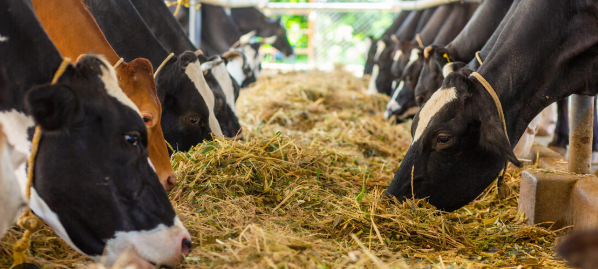
Ruminating on Rations: The Essential Guide to Cow Diets
Understanding cow diets and their daily feeding patterns is crucial for farmers, ranchers, and anyone interested in sustainable agriculture. Proper nutrition not only ensures the health and productivity of cows, but also has a significant impact on dairy and meat quality. Let’s dive into the essentials of cow diets and feeding routines.
Nutritional Needs of Cows
Cows are ruminants, which means they have a unique digestive system designed to break down fibrous plant materials. Their diets typically consist of forages, grains, and supplements. High-quality forage, such as alfalfa or grass, provides the necessary fiber that allows cows to ruminate effectively. Additionally, energy sources like grains and concentrated feeds are vital for lactating cows that require more energy for milk production. It’s important for farmers to balance these components to meet the specific nutritional needs of different cattle breeds and age groups.
Feeding Strategies for Happy and Healthy Cows
A well-planned feeding strategy can lead to happier cows and, consequently, improved productivity. Most farmers adopt a routine feeding schedule to help cows develop proper eating habits. Cows can be fed multiple times a day, typically in two or three meals, which mimics their natural grazing behavior. Offering consistent access to fresh forage and clean water is essential for maintaining their health. Moreover, monitoring individual cow health and dietary reactions helps farmers adjust feeds as necessary, promoting overall well-being.
Seasonal Considerations for Cow Diets
Seasonal changes can significantly impact the availability and quality of feed. In colder months, forage quality typically decreases, necessitating adjustments in diet to ensure adequate nutrition. Farmers often supplement with hay or silage during winter. In contrast, during warmer months, cows may have access to fresh pastures, which can enhance their diet with fresh nutrients. Understanding the seasonal variations and how they affect cow diets is essential for maintaining optimal health and productivity throughout the year.
In conclusion, understanding cow diets and daily feeding patterns is vital for ensuring the well-being of livestock and the success of agricultural operations. By focusing on balanced nutrition, employing effective feeding strategies, and adapting to seasonal changes, farmers can promote healthy, productive cows. For those interested in learning more about cow diets or other aspects of livestock management, consider reaching out to local agricultural extension services or joining a farming community for more resources and support.