
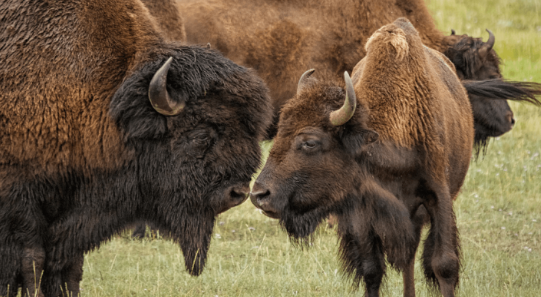
Title: Buffalo vs. Bison: Unpacking the Dietary Differences and Their Impacts
Understanding the differences between buffalo and bison isn’t just about wildlife trivia; it’s essential for consumers interested in health, sustainability, and culinary choices. While both animals look similar and share some habitats, their diets, and the implications of those diets can vary significantly. Let’s dive into the dietary habits of these majestic creatures and what sets them apart.
The Grazing Habits of Bison
Bison are primarily grazers, thriving on a diet rich in grasses and sedges found in the prairies and plains of North America. They have a unique digestive system that allows them to effectively process fibrous plant material. This diet makes bison particularly well-suited for surviving in their native habitats, where grasslands dominate the landscape. Nutritionally, their diet leads to leaner meat compared to beef, rich in omega-3 fatty acids and lower in saturated fats, making it a healthier choice for consumers. Understanding their grazing habits helps shed light on the environment they thrive in and the nutritional benefits of bison meat.
Buffalo’s Diverse Diet
Buffalo, on the other hand, exhibit a more varied diet. They can consume both grasses and a wider range of plants, including herbs, shrubs, and fruits, depending on their environment. This dietary flexibility allows buffalo to thrive in various ecosystems, from wetlands to grasslands. Their ability to adapt to different foods also affects the flavor and nutritional profile of their meat, which tends to be slightly more fatty than bison. For those interested in sustainable eating, knowing that buffalo can utilize various food sources can inform choices about meat sourcing and animal welfare.
Impacts on the Environment and Sustainability
Both bison and buffalo play crucial roles in their ecosystems, but their diets have different impacts on the environment. Bison, due to their grazing habits, help maintain the health of grasslands by encouraging new growth and maintaining plant diversity. Their impact can be beneficial for soil quality and the overall health of the larger ecosystem. Buffalo, with their broader dietary range, can also help manage plant diversity; however, their feeding habits might lead to different patterns of vegetation change. Understanding these dynamics is vital for sustainable farming practices and wildlife management.
In conclusion, the dietary differences between buffalo and bison aren’t just interesting facts; they have real implications for health, sustainability, and environmental management. Whether you’re a curious consumer, a foodie, or an advocate for conservation, understanding these distinctions can enhance your appreciation for these magnificent animals. If you want to learn more about sustainable eating or explore new recipes featuring bison or buffalo meat, keep reading and engaging with the rich discourse surrounding our natural world.