
The Great Migration: How Wildebeest Track Nature’s Bounty
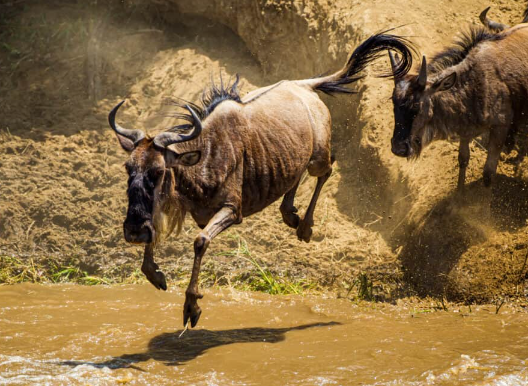
The Great Migration is one of nature’s most incredible spectacles, where over a million wildebeests traverse the African savannah in search of food and water. Understanding how these majestic creatures follow food sources offers insights into their survival strategies and the interconnectedness of ecosystems. Let’s delve deeper into the fascinating behavior of wildebeests during this annual journey.
Finding the Food: The Role of Seasonal Changes
Wildebeests are instinctively tuned to their environment and the changes that come with the seasons. As the rainy season approaches, green pastures sprout across the plains, serving as a buffet for these herbivores. The key is their profound ability to sense changes in weather patterns, which is crucial for their survival. They follow the rains, moving towards areas that are likely to yield fresh grass. This instinctual behavior ensures that they always stay near food sources, allowing them to thrive in a challenging and dynamic landscape.
The Importance of Herd Structure in Migration
Wildebeests migrate in large herds, a behavior that offers significant advantages. The sheer number of animals provides safety in numbers, helping protect them from predators such as lions and hyenas. Additionally, migrating as a group allows for better foraging opportunities. As they graze together, they can cover more ground and explore different areas, ensuring they find the most nutritious grass. The social structure of the herd also plays a vital role, as younger wildebeests learn from older members about the best routes and feeding areas, enhancing their chances of survival.
Navigational Skills: How Wildebeests Stay on Course
Wildebeests possess remarkable navigational abilities that guide them during their long trek across the Serengeti. They rely on a combination of environmental cues, such as the position of the sun and the scent of food, to find their way. Additionally, there is evidence suggesting that they can detect magnetic fields and use them to orient themselves. This navigation skill becomes crucial in the complex terrain of Africa, where rivers and other obstacles may disrupt their path. Understanding their migration routes helps wildlife conservationists in efforts to protect these essential pathways and ensure the survival of not just wildebeests but entire ecosystems.
Conclusion
The Great Migration of wildebeests is not only a stunning display of nature but also a critical part of their survival. By following food sources guided by instinct, social structures, and navigational skills, these animals exemplify resilience and adaptability. If you’re intrigued by the incredible journey of wildebeests and the lessons learned from the natural world, consider exploring more about wildlife migrations and their impact on ecosystems. Every species plays a role, and understanding these connections can help us appreciate and protect our planet even more.