
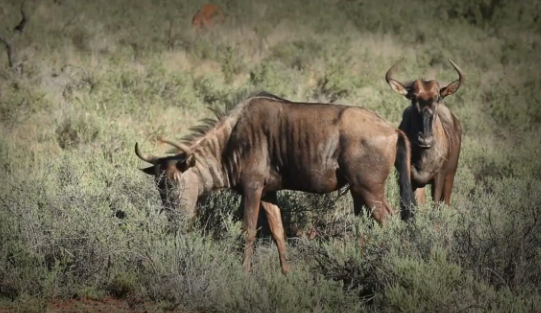
Feasting on Nature: The Grass-Based Diet of Wildebeest Explained
Wildebeest, also known as gnus, are iconic symbols of the African savannah, famous for their epic migrations and their role in the ecosystem. Understanding their grass-based diet not only highlights their survival strategies but also sheds light on the ecological balance they help maintain. Let’s explore how these remarkable creatures thrive on nature’s bounty.
The Importance of Grass in the Wildebeest Diet
Wildebeest are primarily grazers, relying almost exclusively on grasses for their nutrition. Their long, flat teeth are perfectly adapted for tearing through tough grasses, allowing them to efficiently consume large amounts of food daily. Grasses are not just filling; they also provide essential nutrients. Wildebeest primarily graze on young, nutrient-rich grasslands, which are often found in areas that have recently been burned or grazed by other herbivores. This selective grazing not only sustains wildebeest but also promotes healthy grass growth, ensuring that the ecosystem remains vibrant and diverse.
Adaptations to a Grass-Based Lifestyle
Wildebeest have developed several fascinating adaptations that enable them to thrive on a grass-based diet. Their digestive systems are particularly specialized for processing fibrous plant material. They possess a complex stomach that aids in breaking down tough fibers, maximizing nutrient absorption. Additionally, wildebeest have a unique social structure that benefits their grazing habits. They often travel in large herds, which helps them efficiently locate pastures and provides safety in numbers from predators. This social behavior enhances their ability to consume adequate food while minimizing the risk of becoming a meal themselves.
The Role of Migration in Nutritional Access
One of the most striking aspects of the wildebeest’s diet is their migratory behavior. Wildebeest undertake long migrations across the African plains in search of fresh grazing pastures. This journey is often driven by seasonal changes and the availability of grass. During these migrations, wildebeest cover hundreds of miles, following the rains and the lush grass that sprouts post-rainfall. This not only allows them to find optimal feeding grounds but also helps maintain the habitat: by grazing in various areas, they promote the growth of new grasses, which benefits not just them but a multitude of other grazers and herbivores in the ecosystem.
Conclusion
The grass-based diet of wildebeest illustrates the incredible adaptation of these animals to their environment. Their grazing habits and migratory nature not only support their survival but also play a vital role in the health of the ecosystems they inhabit. If you’re interested in learning more about wildebeest and their role in nature, consider exploring documentaries or guides that focus on African wildlife. Their fascinating lives and the ecosystems they help sustain are truly worth understanding!