
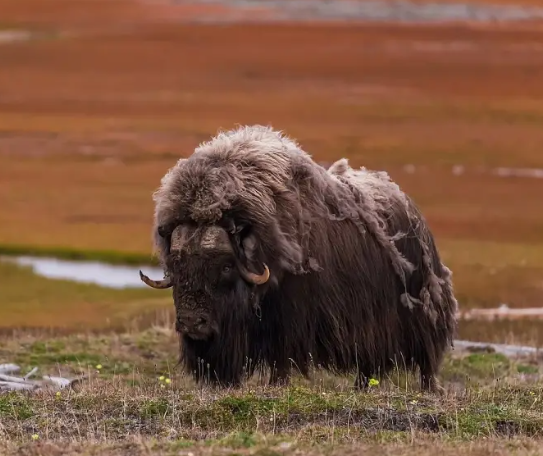
Musk Oxen: Grazing Heroes of the Arctic – Exploring Their Natural Diet
Musk oxen are fascinating creatures that roam the frigid landscapes of the Arctic. Understanding their natural diet not only highlights their unique adaptations but also sheds light on their role in their ecosystem. As grazers, these magnificent animals contribute to the Arctic environment while surviving in one of the harshest climates on Earth.
The Foraging Habits of Musk Oxen
Musk oxen primarily feed on the abundant vegetation found in their habitat, which includes grasses, mosses, and lichens. Their diet is specially adapted to withstand the cold, allowing them to thrive in the tundra and alpine areas. During the summer months, they can feast on a variety of flowering plants, while in winter, they rely on their ability to dig through snow to reach resilient lichens and mosses hidden beneath. This unique foraging ability is vital for their survival, demonstrating how musk oxen have adapted to their harsh environment.
Understanding Seasonal Variations in Diet
The available food sources for musk oxen shift significantly with the seasons. In spring and summer, the lush vegetation allows these animals to consume fresh grasses and herbs, which are rich in nutrients. As temperatures drop and snow covers the ground in winter, their diet becomes more limited, focusing mainly on tough lichens and shrubby plants. This seasonal variation not only influences their nutritional intake but also impacts their behavior, as they often travel in herds to optimize foraging efficiency. Understanding these dietary changes is critical for wildlife conservation efforts aimed at supporting their populations.
The Impact of Diet on Musk Oxen Health and Behavior
The natural diet of musk oxen plays a crucial role in their overall health, influencing everything from their reproductive success to their social behaviors. A well-balanced diet ensures that these animals remain strong and healthy, directly impacting their ability to give birth to healthy calves. Moreover, during harsh winters, the struggle to find food can create stress among herd members, leading to changes in social dynamics. By studying how diet affects their health, researchers can better understand the challenges musk oxen face and develop strategies to protect them in a changing climate.
In conclusion, the natural diet of musk oxen is an essential aspect of their existence in the Arctic. By learning more about what they eat and how they adapt to their environment, we gain valuable insights into their ecological role. Interested in learning more about these incredible animals and their habitats? Consider exploring wildlife documentaries, conservation efforts, or local exhibitions to deepen your understanding of musk oxen and the need to protect their unique environment.