
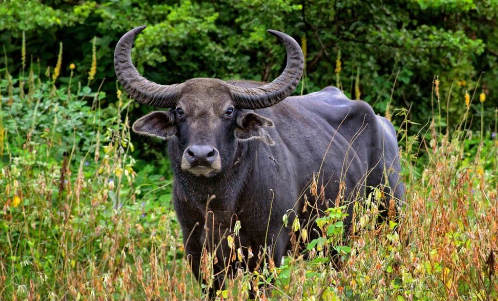
The Buffalo Diet in Wetland Areas
In recent years, the intersection of animal agriculture and wetland conservation has gained increased attention. The Buffalo Diet in wetland areas highlights the ecological benefits of utilizing buffalo as grazing animals, which can positively impact both local biodiversity and agricultural practices. Understanding these dynamics is crucial for sustainable land management and preserving our fragile ecosystems.
The Role of Buffalo in Wetland Ecosystems
Buffalo are unique among livestock when it comes to their adaptability to wetland areas. Unlike cattle, they have specialized hooves that make them adept at traversing marshy terrains without causing significant damage to the plants and soil. Their grazing patterns help maintain the delicate balance of these ecosystems by controlling the growth of invasive plant species. This natural form of management encourages the proliferation of native flora, which in turn supports various forms of wildlife, from amphibians to migratory birds. By promoting biodiversity, buffalo grazing can play a crucial role in sustaining the health of wetland habitats.
Nutritional Benefits of a Buffalo Diet
The diet of buffalo primarily consists of grasses, reeds, and sedges commonly found in wetland areas. This specialized diet contributes to their unique nutritional profile, making them a healthier alternative to other livestock. Buffalo meat is leaner and contains lower levels of fat and cholesterol compared to beef, providing a nutritious option for consumers. Additionally, grazing buffalo help in fertilizing the land with their natural waste, enriching the soil and promoting healthy plant growth. This symbiotic relationship not only benefits the buffalo but also enhances the overall ecosystem, making it a win-win situation for farmers and conservationists alike.
Sustainable Grazing Practices
Implementing sustainable grazing practices is essential for fostering healthy wetland environments while maximizing agricultural productivity. Farmers increasingly recognize the importance of rotational grazing, which allows specific areas to recover while others are grazed. This strategy minimizes overgrazing and ensures that wetlands retain their ecological integrity. Additionally, responsible buffalo management can help prevent soil erosion and protect water quality in these crucial areas. Educating farmers about sustainable techniques and the advantages of buffalo grazing can lead to more environmentally friendly practices that benefit both agriculture and nature.
In conclusion, the Buffalo Diet in wetland areas illustrates the profound benefits that this unique animal brings to both agriculture and ecosystems. By understanding and promoting the role of buffalo in these environments, we can encourage sustainable practices that not only enhance biodiversity but also provide nutritious food sources. For anyone interested in sustainable agriculture or wildlife conservation, learning more about buffalo grazing practices could be a meaningful next step.