
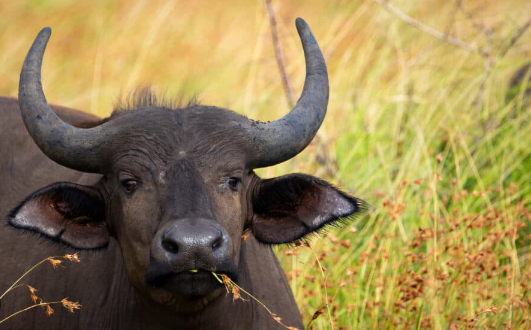
Natural Food Sources for Buffalo
Buffalo, like all animals, thrive on a balanced diet that fulfills their nutritional needs. Understanding the natural food sources for these magnificent creatures can help ranchers, conservationists, and animal lovers promote healthier living conditions for buffalo in both the wild and domestic settings. This article delves into some of the primary food sources that sustain buffalo, emphasizing their natural habitat and dietary preferences.
Natural Grasses and Forbs
One of the primary food sources for buffalo is grass. These animals are primarily grazers and prefer to feed on a variety of grasses, including bluegrass, timothy, and ryegrass. In their natural habitat, buffalo can consume vast amounts of grass daily, which helps maintain their robust bodies and energy levels. Additionally, forbs, or herbaceous flowering plants, contribute important nutrients to their diet. These plants increase biodiversity within ecosystems, promoting healthy foraging behaviors that support both the buffalo and the environment.
Shrubs and Browsing Plants
In addition to grasses, buffalo will also supplement their diet with shrubs and other browsing plants when grazing options become limited, particularly during harsh weather conditions or droughts. Species like willow and oak provide essential vitamins and minerals that help buffalo maintain their health. Browsing not only adds variety to their diet but also encourages natural foraging behaviors, which are crucial for their mental and physical well-being. Understanding these food sources can guide those interested in creating more sustainable habitats for buffalo, ensuring they receive a diverse range of nutrients.
Seasonal Variations in Diet
Buffalo diets can change significantly with the seasons, which impacts their access to different food sources. In spring, as grasses begin to grow, buffalo enjoy the fresh and tender shoots available. Summer and fall bring a variety of culinary options, including seeds and fruits from shrubs and other plants. In winter, when grass is sparse, buffalo may rely more heavily on woody plants and remnants of forage from previous seasons. This adaptability is crucial for their survival and demonstrates the importance of seasonal planning in buffalo management practices.
In conclusion, awareness of the natural food sources for buffalo is essential for their care and conservation. By understanding their diets, we can better support their habitats and ensure that these majestic animals thrive in both wild and domestic environments. If you’re interested in learning more about buffalo and their natural habits, consider exploring local conservation programs or educational resources to gain insights into ways you can contribute to their well-being.