
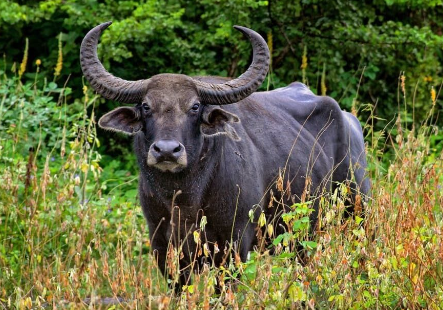
Water Buffalo Diet Basics: What You Need to Know
Water buffalo are incredible animals, not just for their strength and utility but also for their unique dietary needs. Understanding the diet of these animals is crucial for farmers, ranchers, and anyone interested in animal husbandry. This article will provide insights into what water buffalo eat and how these dietary choices impact their health and productivity.
Types of Feed for Water Buffalo
Water buffalo are primarily herbivores, and their diet mainly consists of grasses, legumes, and various plant materials. They thrive on fibrous feeds, which aid in their digestion and overall health. Fresh pasture is ideal, but farmers often supplement with silage, hay, or commercial feeds to ensure they receive adequate nutrients, especially during dry seasons. Exploring the right balance of these feeds can lead to improved milk production and better muscle development, essential for both dairy and drafting purposes.
Common Nutritional Requirements
To maintain optimal health, water buffalo require specific nutrients, including carbohydrates, proteins, vitamins, and minerals. Carbohydrates from grass provide energy, while proteins are crucial for growth and milk production. Additionally, water buffalo need a steady supply of minerals like calcium and phosphorus to support bone health and reproductive functions. Understanding these nutritional requirements can help farmers formulate balanced diets, ensuring their herd remains productive and healthy.
Feeding Practices for Sustainable Health
Sustainable feeding practices are essential for the long-term health of water buffalo herds. Rotational grazing, for example, not only optimizes pasture use but also minimizes overgrazing, allowing for better soil health and regrowth of grass. Additionally, monitoring the buffalo’s weight and adjusting feed accordingly can prevent health issues related to obesity or malnutrition. Educating oneself on these practices can significantly enhance herd management and promote animal welfare.
In conclusion, understanding the dietary needs of water buffalo is vital for anyone involved in their care. By exploring various types of feed, recognizing nutritional requirements, and adopting sustainable feeding practices, you can contribute to the health and productivity of these remarkable animals. Whether you’re a seasoned rancher or a curious enthusiast, there’s always more to learn about the incredible world of water buffalo. Consider diving deeper into this topic for the benefit of your herd!