
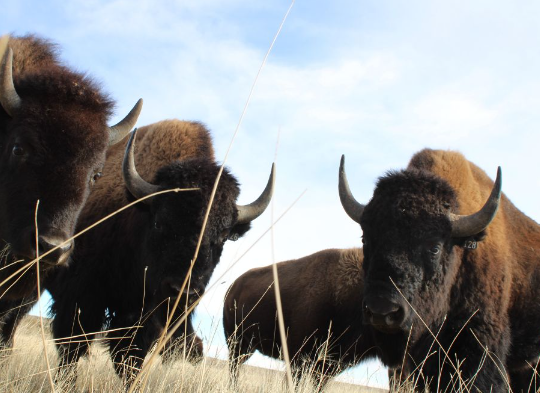
The seasonal diet changes of buffalo present a fascinating look into how these magnificent creatures adapt to their environment. Understanding their dietary habits offers insights into their health, behavior, and the ecosystems they inhabit. This knowledge is particularly relevant for farmers, conservationists, and anyone interested in sustainable agriculture.
Adapting to Seasonal Changes
Buffalo are remarkable creatures that exhibit significant dietary adaptations based on seasonal changes. In the warmer months, their diet consists mainly of lush grasses and abundant vegetation. The rich nutrients from these plants provide them with the energy they need for growth and reproduction during the breeding season. As seasons transition to autumn and winter, their diet shifts dramatically. With grasses becoming sparse and less nutritious, buffalo turn to foraging for shrubs, woody plants, and even bark. This shift illustrates their remarkable adaptability and the importance of diverse habitats to support their dietary needs.
The Impact of Climate
Climate plays a crucial role in determining the availability of food for buffalo. In areas where prolonged droughts or excessive rainfall occur, the quality and quantity of forage can drastically change. For instance, during dry spells, buffalo may struggle to find sufficient nutrition, which can impact their health and reproductive success. Additionally, climate fluctuations can affect the growth cycles of plants, meaning that buffalo need to adjust their grazing patterns accordingly. Understanding these dynamics can aid in developing conservation strategies and managing buffalo health in changing climates.
Human Influence on Diets
Human activities also significantly impact the diets of buffalo. Agricultural expansion and urban development can lead to habitat loss, forcing buffalo to change their feeding habits or migrate to new areas. Moreover, the introduction of non-native plants can alter the natural food sources available to them. In some regions, buffalo are managed as livestock, allowing for controlled feeding practices that may not align with their natural dietary preferences. This can lead to health issues if their diet lacks essential nutrients typically found in their natural habitat. Educating farmers and land managers about the natural grazing habits of buffalo can help ensure they thrive in both wild and agricultural environments.
In conclusion, the seasonal diet changes of buffalo highlight their resilience and adaptability to changing environments. By understanding their dietary needs and the challenges they face, we can better support their populations in the wild and in agricultural settings. As we continue to learn about buffalo behavior, let’s advocate for practices that maintain their health and habitats for future generations. Explore more about buffalo and their intricate relationship with the ecosystem to support sustainable management efforts!