
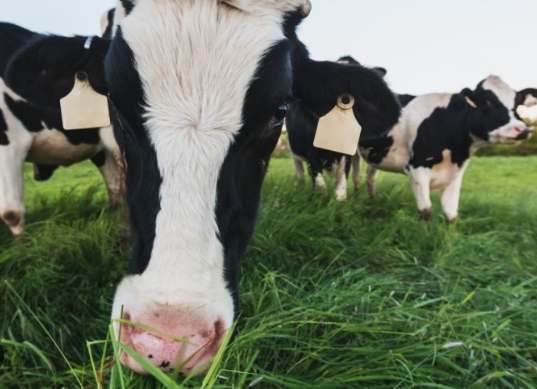
Cow Grazing Behavior: Understanding the Basics
Grazing is an essential aspect of cattle farming, impacting everything from animal health to pasture management. Understanding cow grazing behavior helps farmers optimize their grazing practices, leading to healthier livestock and more efficient land use. In this article, we’ll explore the key aspects of cow grazing behavior and how it affects both cows and their environment.
The Importance of Grazing Patterns
Cows are naturally inclined to graze in patterns that reflect their instincts and environmental influences. They typically prefer to graze in the early morning and late afternoon when temperatures are cooler and pastures are moist. This timing not only enhances their comfort but also promotes healthier foraging by reducing stress. Understanding these patterns allows farmers to plan grazing schedules that align with the cows’ natural tendencies, ensuring they receive adequate nourishment while also preserving pasture quality.
Social Dynamics in Grazing
Cows are social animals and often graze in groups. Their social structures impact grazing behavior significantly, as dominant individuals tend to access better grazing spots first, while subordinate cows may have to settle for less nutritional pasture. This social hierarchy can lead to uneven grazing patterns across a field, affecting land management strategies. Farmers can facilitate better grazing behavior by ensuring a balanced social dynamic through practices like rotational grazing, which helps distribute grazing pressure and promotes even pasture utilization.
The Role of Nutrition and Environment
The environment plays a crucial role in how cows graze. Factors such as grass quality, availability of fresh water, and shelter influence grazing behavior. Cows are more likely to move to different pastures if they sense a decline in grass quality or if their nutritional needs aren’t met. Understanding the nutritional value of available forage and managing pasture health can lead to more effective grazing strategies. Incorporating diverse plant species in pastures can also attract cows, providing them with a well-rounded diet and encouraging a healthy grazing regimen.
Conclusion
Understanding cow grazing behavior is essential for effective livestock management and sustainable pasture use. By taking into account grazing patterns, social dynamics, and environmental factors, farmers can create a more productive and harmonious system. If you’re interested in learning more about optimizing grazing practices or improving pasture health, consider reaching out to local agricultural experts or resources. The more we know about our livestock, the better care we can provide for them!