
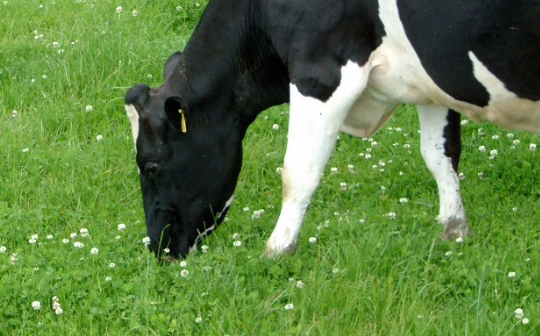
Title: Understanding How Cows Digest Grass: A Fascinating Journey
Introduction
Have you ever wondered how cows manage to convert grass into energy? This remarkable process not only supports the life of these gentle giants but also contributes to the dairy and beef industries, making it a topic worth exploring. Understanding cow digestion can help us appreciate the role of ruminants in agriculture and their environment.
The Ruminant Digestive System
Cows are ruminants, which means their stomachs are specially designed for digesting fibrous plant material like grass. A cow’s stomach has four compartments: the rumen, reticulum, omasum, and abomasum. The largest compartment, the rumen, serves as a fermentation chamber, where billions of microbes break down the tough fibers in grass. This unique system allows cows to extract nutrients efficiently, enabling them to thrive on a diet primarily composed of grass, making them essential for pasture ecosystems.
Fermentation: The Key to Nutrient Extraction
The fermentation process in a cow’s rumen is fascinating. As the cow chews and swallows grass, it mixes the food with saliva, which contains necessary enzymes. Once the grass reaches the rumen, it undergoes fermentation, fueled by millions of microorganisms, including bacteria and protozoa. These microbes produce essential nutrients like volatile fatty acids, which provide energy, and vital amino acids. Thanks to this teamwork between the cow and its gut microbes, cows can digest grass that humans cannot, demonstrating nature’s intricate balance.
The Role of Regurgitation
One of the most interesting aspects of cow digestion is the process of regurgitation, often referred to as “cud chewing.” After the initial fermentation in the rumen, cows will periodically bring up small amounts of partially digested food, chew it again, and swallow it. This process not only helps break down the food further but also mixes it with more saliva and microbes. By re-chewing their cud, cows enhance their digestion efficiency, maximizing nutrient absorption and reflecting their evolutionary adaptation to a grass-based diet.
Conclusion
The digestion of grass by cows is a complex yet fascinating process that highlights the efficiency of nature and the interdependence of species. By understanding how cows digest grass, we gain insight into their importance in agriculture and the environment. To learn more about these amazing animals and their role in our food systems, consider digging deeper into ruminant biology or exploring sustainable farming practices. Embrace the wonders of nature and the vital contributions of livestock to our world!