
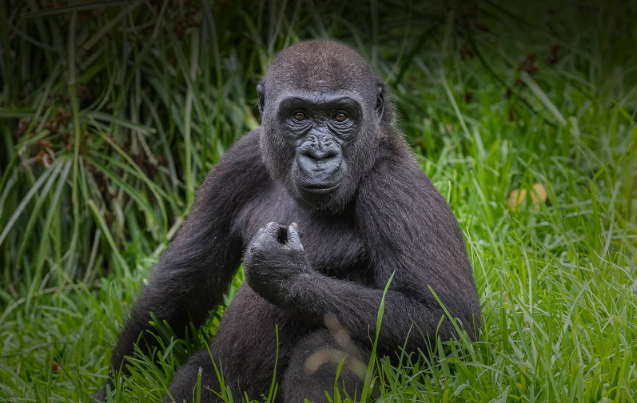
How Do Gorillas Navigate Their Territory?
Gorillas are fascinating creatures with complex social structures and behaviors. Understanding how they navigate their territory not only sheds light on their intelligence but also highlights the importance of conservation efforts. In this article, we will explore the remarkable ways these magnificent primates find their way in the wild.
Natural Instincts and Environmental Cues
Gorillas have developed a keen sense of spatial awareness that helps them move confidently through their habitats. They rely on various environmental cues, such as landmarks, scents, and the sounds of other animals. For example, the smell of ripe fruits or the calls of fellow gorillas can guide them to food sources or potential mates. Their ability to remember these cues is essential, especially in dense forests where visibility is limited. This innate skill allows gorillas to navigate even the most challenging terrains.
Social Learning and Group Dynamics
Gorillas are social animals that often travel in groups, which enhances their navigation abilities. Younger gorillas learn important survival skills by observing older members of their troop. They watch how adults interact with their environment, noting the best routes and resources. This social learning is crucial, as it helps the younger generation develop navigation skills that are vital for their survival. The leadership within the group also plays a role; dominant males tend to know the territory well and can guide the troop effectively, ensuring everyone follows safe paths.
Territorial Boundaries and Defense Mechanisms
While navigating their territory, gorillas must also be aware of their boundaries. Adult males, often called silverbacks, are responsible for defending their group’s territory from intruders. They communicate with vocalizations, visual displays, and scent marking to establish dominance and warn off potential threats. By maintaining clear territorial boundaries, gorillas can ensure access to essential resources while minimizing conflicts. Understanding these behaviors helps conservationists and researchers advocate for gorilla protection and habitat preservation, highlighting the need for safe environments where these magnificent creatures can thrive.
In conclusion, gorillas possess remarkable navigation skills that are vital for their survival. Whether through natural instincts, social learning, or defending their territory, these behaviors are essential in their complex lives. To learn more about gorilla conservation and the challenges they face in the wild, consider researching local wildlife organizations or visiting reputable zoos that focus on these incredible primates. Your interest can contribute to the ongoing efforts to protect gorilla species and their habitats!