
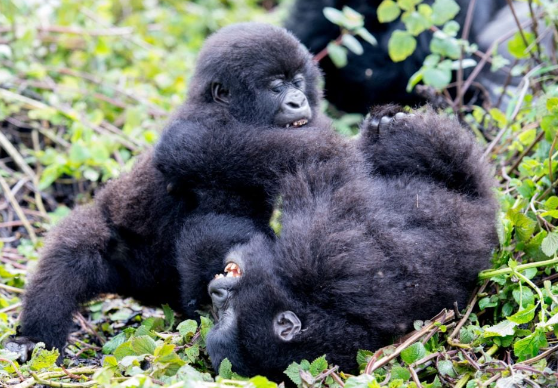
The Role of Play in Gorilla Learning
Understanding how gorillas learn is essential for conservation efforts, animal care, and deepening our admiration for these incredible creatures. Play is not just a fun activity for gorillas; it plays a crucial role in their cognitive and social development. This article explores the significance of play in gorilla learning and the valuable insights it offers.
The Importance of Play in Cognitive Development
Play serves as a fundamental tool for cognitive development in gorillas. Through engaging in various playful activities, young gorillas practice problem-solving skills and explore their environment. For example, they might interact with objects or each other in ways that promote critical thinking and creativity. This form of self-directed exploration allows gorillas to become familiar with their surroundings, ultimately aiding in their survival skills in the wild.
Social Learning through Play
Gorillas are social animals, and play is a vital component of their social learning. By participating in playful interactions, they learn essential social cues and behaviors that help them navigate complex social structures. Play fighting, for instance, allows young gorillas to practice important skills such as aggression regulation and communication. These activities foster bonds between individuals, enabling a better understanding of hierarchies and social roles within their groups, which is crucial for harmonious living.
Implications for Gorilla Conservation
Recognizing the role of play in learning has significant implications for gorilla conservation efforts. In captivity, providing an environment rich in opportunities for play can enhance the well-being of gorillas and ensure their mental stimulation. Enriched habitats with varied resources promote natural behaviors, which can lead to healthier and happier animals. Understanding how play influences learning can also guide conservationists in designing effective programs aimed at habitat preservation and rehabilitation, ultimately benefiting gorilla populations in the wild.
Conclusion
The role of play in gorilla learning is a fascinating subject that underscores the importance of cognitive and social development in these remarkable creatures. As we deepen our understanding of their learning processes, we can better support their needs both in captivity and in their natural habitats. To learn more about gorillas and the vital role of play in their lives, consider exploring more articles on wildlife conservation and animal behavior.