
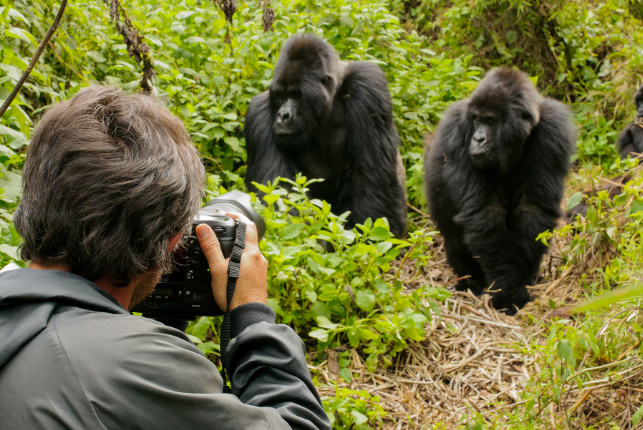
How Do Gorillas Explore Their Habitat?
Exploring how gorillas navigate and interact with their natural habitat is not only fascinating but also crucial for understanding their behaviors and conservation efforts. As intelligent and social animals, gorillas reveal much about their environment and how best to protect it.
The Importance of Habitat Exploration
Gorillas are known for their intelligent methods of exploring their surroundings. This exploration is essential for foraging food, finding water sources, and establishing social bonds. By studying how gorillas engage with their habitat, researchers gain valuable insights into their needs and behaviors. Such understanding informs conservation strategies aimed at preserving their natural environments and ensuring their survival.
Foraging: A Key to Survival
Foraging is a fundamental aspect of how gorillas explore their habitat. They are primarily herbivores, with a diet that includes leaves, stems, fruit, and flowers. Adult gorillas can consume up to 40 pounds of vegetation daily, requiring them to traverse large areas in search of food. Their keen sense of smell helps them locate ripe fruits, while their physical strength allows them to access otherwise unreachable vegetation. By deducting their food preferences and foraging patterns, scientists can develop more effective conservation strategies to protect gorilla habitats.
Social Interactions and Exploratory Behaviors
Gorillas are highly social animals, often seen traveling in family groups led by a dominant male, known as a silverback. These social bonds play a significant role in how they explore their environment. Young gorillas learn by observing and mimicking older members, which aids in their understanding of the habitat. The exploration often involves playful activities that help build relationships and establish social hierarchies. Understanding these dynamics helps conservationists create environments that foster natural behaviors and strengthen social connections within gorilla groups.
Threats to Their Habitat and Future
Unfortunately, gorillas face numerous threats, including habitat destruction due to deforestation, poaching, and disease. As they explore their shrinking habitats, these challenges become more pronounced. It’s essential for conservation efforts to focus not only on protecting existing landscapes but also on educating local communities. By raising awareness about the ecological importance of gorillas and their habitats, we can promote coexistence and encourage sustainable practices that benefit both people and wildlife.
Conclusion
Understanding how gorillas explore their habitat provides critical insights into their lives and helps us protect their future. By recognizing the importance of foraging, social structures, and the threats they face, we can contribute to effective conservation efforts. To learn more about these remarkable creatures and what you can do to help, explore local wildlife conservation programs or support organizations dedicated to gorilla preservation. Let’s work together to ensure that these majestic animals continue to thrive in their natural homes.