
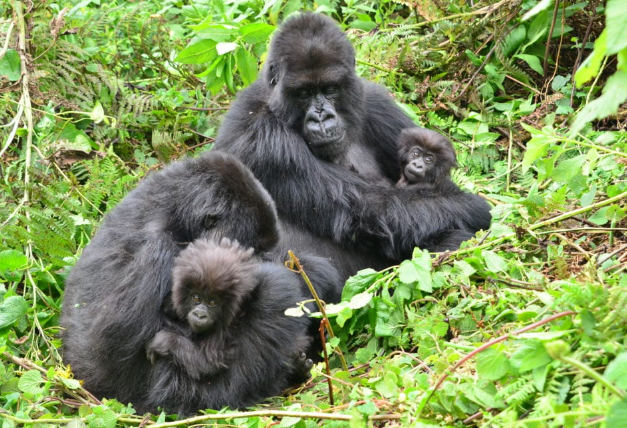
The Role of Mothers in Gorilla Development
Understanding the familial structures and roles within the animal kingdom can shed light on important behavior patterns. The role of mothers in the development of gorillas is particularly fascinating and provides insights into their social dynamics, cognitive growth, and survival strategies. This topic is vital not only for studying gorillas but also for enhancing conservation efforts and fostering empathy toward these magnificent creatures.
Nurturing and Protection
Gorilla mothers are essential for the survival and well-being of their young. From birth, a mother provides warmth, safety, and nutrition through breastfeeding. This close bond is not just about physical needs; it also fosters emotional development, as infants learn to trust and interact with their mothers. Moreover, a mother gorilla plays a pivotal role in teaching her offspring vital survival skills, from foraging for food to socializing with others in the group. These lessons ensure that the young gorillas grow up to be self-sufficient members of their communities.
Socialization and Learning
As young gorillas mature, their mothers continue to be their primary teachers. Gorilla mothers encourage their young to explore their environment, which is crucial for cognitive development. They model social interactions, helping infants learn how to navigate their community effectively. Observation plays a key role in this learning process, as young gorillas imitate their mothers’ behaviors, whether it’s how to communicate through vocalizations or engage in playful activities with peers. This formative experience not only aids in individual growth but strengthens the entire social fabric of gorilla groups.
Long-term Relationships and Impact
The influence of a mother doesn’t end once her offspring reach adulthood; in fact, the mother-offspring relationship often evolves into a long-term bond. Adult gorillas often continue to stay close to their mothers, seeking her guidance and support throughout their lives. This dynamic is particularly evident when gorillas face challenges, such as the loss of a leader or changes in their environment. The emotional and social support provided by mothers helps their offspring navigate these changes more successfully, underscoring the lasting impact of maternal care on gorilla development.
In conclusion, the role of mothers in gorilla development is multifaceted and vital for both individual and group dynamics within gorilla communities. Their nurturing, teaching, and long-term relationships create a foundation for healthy, thriving groups. As we learn more about these incredible animals, let’s take the time to appreciate the complexity of their social structures and the critical role mothers play. Interested in deepening your understanding of gorillas and their conservation? Explore more resources or visit a local zoo to witness these magnificent creatures firsthand! If you’re interested in artistic representations of gorillas, explore some gorilla statues, paintings, and other artwork.