
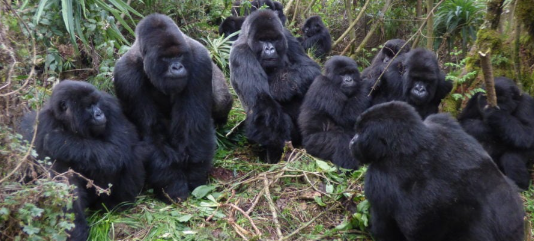
Gorilla Communication Through Facial Expressions
Understanding how gorillas communicate can deepen our appreciation for these intelligent creatures and their complex social structures. One of the most fascinating aspects of gorilla communication is their use of facial expressions, which reveal their emotions and intentions. This blog post will explore how gorillas convey messages through their faces and why this knowledge is important for conservation and animal welfare.
The Importance of Facial Expressions in Gorilla Social Interactions
Facial expressions play a crucial role in how gorillas interact with each other. Just like humans, gorillas express a range of emotions, such as joy, anger, and fear, through subtle changes in their facial features. For instance, a relaxed face indicates contentment, while a grimace can signal aggression or discomfort. Understanding these expressions helps researchers and enthusiasts alike to interpret gorilla behavior more accurately, enhancing our ability to protect and care for them in both the wild and captivity.
Decoding Gorilla Emotions: Key Facial Signals
Researchers have identified several key facial expressions that gorillas use to communicate their feelings. For example, a gorilla may raise its eyebrows and widen its eyes to show curiosity or surprise. Conversely, a lowered brow and narrowed eyes might indicate threat or aggression. Combining these signals with other body language cues, such as posture or vocalizations, allows gorillas to communicate more complex messages. By studying these expressions, scientists can gain insights into gorilla emotions, leading to better understanding and management of these animals in zoos and sanctuaries.
The Role of Facial Expressions in Gorilla Conservation
Understanding gorilla communication has significant implications for conservation efforts. By recognizing and interpreting facial expressions, caregivers can create more enriching environments for gorillas, leading to enhanced well-being and reduced stress. Additionally, knowledge of these expressions can aid in rehabilitating rescued gorillas, helping them to adjust to social structures in sanctuaries. Promoting awareness of gorilla communication can also foster empathy among people, encouraging greater support for conservation initiatives aimed at protecting these majestic animals and their habitats.
In conclusion, the study of gorilla communication through facial expressions offers vital insights into their emotional lives and social dynamics. By learning more about how gorillas express themselves, we can support their conservation and promote better practices in their care. If you’re interested in delving deeper into this topic, consider reading books on gorilla behavior or visiting a wildlife sanctuary to see these incredible animals up close.