
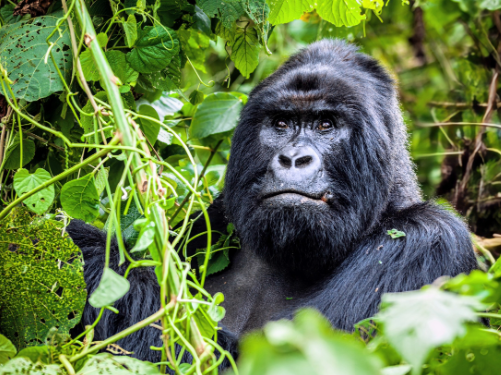
Gorilla research plays a crucial role in understanding these magnificent creatures and their ecosystems. As their habitats face increasing threats from human activity, ongoing research helps inform conservation efforts and protect these animals. Exploring the challenges and discoveries in this field not only highlights the work being done but also the importance of safeguarding gorillas for future generations.
The Importance of Studying Gorilla Behavior
Understanding gorilla behavior is vital for effective conservation strategies. Researchers spend countless hours observing gorillas in their natural habitats, documenting their social structures and communication patterns. By studying how they interact with each other and their environment, researchers can identify stressors affecting their well-being, such as habitat loss and poaching. This knowledge is invaluable for crafting targeted conservation programs and raising awareness about the need to protect these creatures.
Challenges in Gorilla Conservation
Despite advances in research, many significant challenges remain in conserving gorillas. One major hurdle is the loss of habitat due to deforestation and human encroachment, which threatens gorilla populations and their survival. Additionally, diseases such as Ebola pose a severe risk to gorillas, as outbreaks can decimate local populations. Furthermore, the illegal wildlife trade continues to endanger these species. Overcoming these challenges requires collaborative efforts among governments, organizations, and local communities, alongside ongoing research and advocacy.
Groundbreaking Discoveries in Gorilla Research
Recent studies have led to groundbreaking discoveries about gorilla intelligence and emotional capacity. Researchers have observed that gorillas use tools to access food, showcasing their problem-solving skills. Additionally, studies indicate that gorillas experience a range of emotions, including empathy and grief. These findings challenge previous assumptions of gorilla capabilities and highlight the need for a more compassionate understanding of these animals. As research continues, it will undoubtedly uncover more about the intricate lives of gorillas and deepen our commitment to their conservation.
In conclusion, gorilla research is not only fascinating but also vital for the survival of these incredible animals. By overcoming challenges and making new discoveries, researchers help clarify the complexities of gorilla behavior and the threats they face. Many wildlife enthusiasts even display gorilla sculpture pieces in their homes or gardens as a reminder of the beauty and vulnerability of these magnificent creatures. If you’re interested in learning more or supporting gorilla conservation efforts, consider exploring organizations dedicated to this work or advocating for policies that protect their habitats. Together, we can make a difference in ensuring the future of gorillas.